
There are games that are simply entertaining, and there are those after which you sit in silence for some time and scroll through everything in your head. Resident Evil 2 Remake is just one of those. It's not a zombie ride where you run forward and shoot right and left. It's a game that slowly but surely pulls you into a state of constant tension.
I remember the first time I went to the police station - it seemed like a safe place, the lights were on, the music was playing... and still it feels like someone is watching you. And this feeling doesn’t let go almost until the very end.
Walking through here is not about "walking the guide and checking the boxes" It's about experience. About mistakes, about the lack of ammunition at the most inopportune moment, about the solution - going into the room or better get around. So I'll try to get you through the game as if we were sitting next to each other and discussing every step: calmly, to the point, but without dryness.
Contents
- Complete completion of Resident Evil 2 Remake - where the nightmare begins
- Prologue and refueling - first steps and getting to know infected people
- Police Station (RPD) - Main Part of Passage
- Main Hall and Medallions - How to Open Secret Passage
- West Wing: Library, Offices and First Puzzles
- East Wing: Key items and access to new zones
- How to solve puzzles with statues (codes and combinations)
- First meeting with Tiran (Mr. X) and how to run away from him
- Where to find the best weapon improvements at the site
- Underground complex and escape from the site
- Sewerage - complex and confusing stage
- NEST Lab - Final Stage of the Game
- Finale and Escape - How to Finish the Game Right
- Scenario B - How the Second Walkthrough is Different
- All Resident Evil 2 Remake Puzzles - Solutions & Codes
- All Bosses in the Game - Tactics & Tips
- Best Weapons and Pumping - What to Use as the Game Goes On
- Tips for a comfortable passage (especially for beginners)
- Secrets and additional modes after passing
- Frequent mistakes by players when completing Resident Evil 2 Remake
Complete completion of Resident Evil 2 Remake - where the nightmare begins
Campaign Choice: Leon or Claire - Who to Go First
The very first choice in the game is and, oddly enough, one of the most important. I, like many, first thought: "Is there a difference at all?" And here Resident Evil 2 pleasantly surprises.
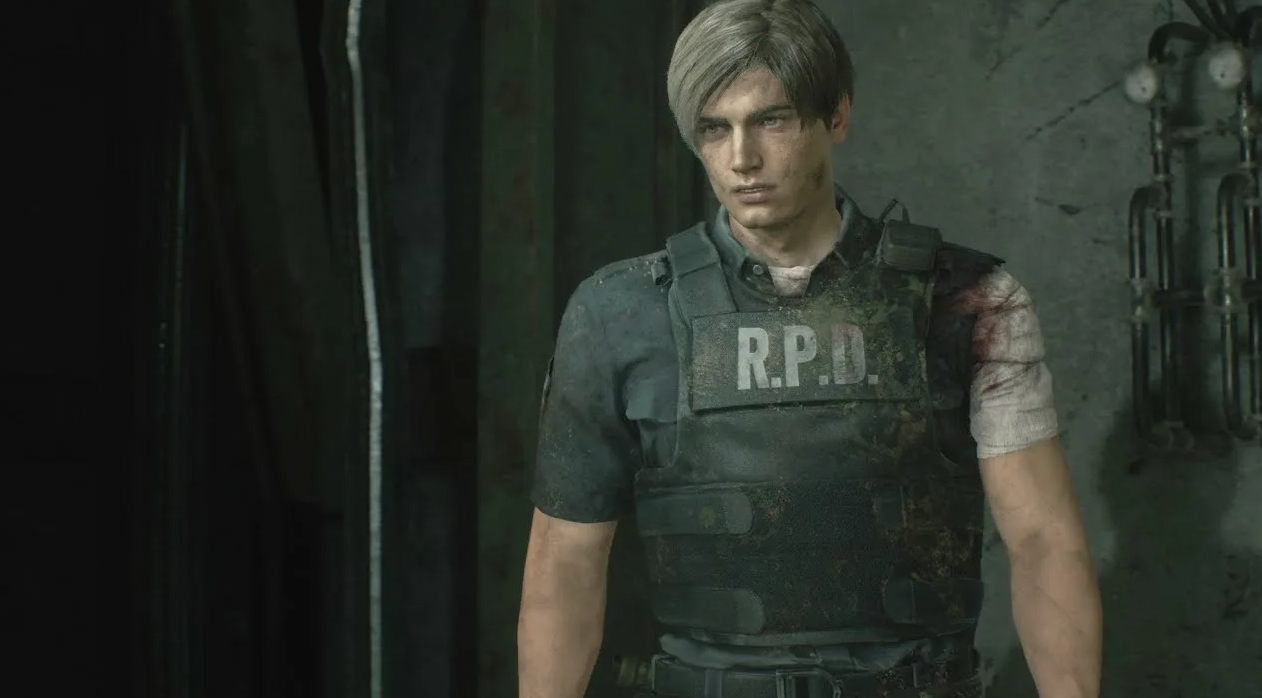
Leon feels like a softer start. His weapon is clearer, the situations are a little more controlled, and you get used to the rhythm of the game faster. When you just learn not to panic at the sight of zombies, it really helps.
Claire is about confidence. She has a slightly different style of fighting and sometimes feels more nervous playing with her. No worse, just... less forgiving.
To be honest, I would advise starting with Leon to get a feel for the rules of the game. And then follow Claire - and get a thrill from how things change.
Main differences between scenarios A and B
When you go through the game for the first time, it seems like you've understood everything. But then script B opens up - and the game seems to say, "Now let's really"
Familiar corridors start working against you Where you used to pass quietly, now a surprise can await. Items lie elsewhere, enemies appear differently, and even familiar routes are no longer as safe.
And the fun part is you can't play "Intuition" anymore. Have to adapt again. And there's a special thrill to it: the game doesn't let you relax even after the first playthrough.
What is important to know before starting (inventory, saves, resources)
Resident Evil 2 Remake very quickly knocks illusions off you. You can't be wasteful here, you can't hope "I'll get some pharmaceuticals later" - because there's not much to farm here.
At some point I caught myself standing in front of a zombie and thinking: shoot or get around? And this is already a victory for the game - it makes you doubt.
Here are a few things that really change the approach:
- Sometimes it is better to leave the enemy alone than to spend resources on him
- The cartridges run out faster than you are mentally prepared for
- Every saving is not a routine, but a solution
- Inventory constantly forces you to choose what is more important right now
When you start playing with this understanding - the game opens up completely differently. It becomes not difficult, but honest.
Prologue and refueling - first steps and getting to know infected people
Gas station exploration and first meeting with zombies
The start feels almost calm. Rain, quiet refueling, feeling like they're just going to let you look around now... but it's the lull before the impact.
The first meeting with a zombie is a moment that puts everything in its place right away. You shoot, it doesn't fall. You shoot again - and still aren't sure he really "died".
And this is where the understanding comes: this is not a shooting range.
For example, the first time I spent too much ammunition simply because I wanted to "finish for sure" And after a couple of minutes I realized that you couldn’t play like that.
How to save ammo from the very beginning
Saving is not some advanced tactic. It's a basic skill you can't get far without.
Over time, you begin to feel the game: when you can take risks and run, and when it is better to stop and shoot. And this feeling does not come immediately - through mistakes, through lack of resources.
What really helps you hold on:
- Shoot only when you can’t pass without it
- Use space - sometimes stepping to the side saves more than a bullet
- Don't get hung up on killing every enemy
- Think a couple of steps ahead
And you know what's interesting? When you start saving, the game doesn't get more boring, but rather is more intense and even more interesting.
Road to Raccoon City and the accident cutscene
Moving from gas station to city is a moment when the game seems to accelerate sharply. Everything is getting louder, faster, more dangerous.
The scene with the accident is one of those that is remembered not because of entertainment, but because of the feeling: that’s it, there is no turning back.
You find yourself in chaos where there is no time to study every detail. You need to move, make decisions quickly and sometimes - on intuition.
The game here seems to be checking whether you understand its rules or not.
Police Station (RPD) - Main Part of Passage
Main Hall and Medallions - How to Open Secret Passage
The first feeling in the police station is relief After the streets of Raccoon City, it seems like you're finally safe.
But this is a deception.
Hall is more of a respite point than a refuge. The game gives you space to look around, but at the same time pushes you forward: you need to look for medallions.
This stage is about research. About how you begin to remember the location of rooms, return to already familiar places and gradually "collect" a plot in your head.
And this is where that very feeling comes in, you don't just play, you navigate.
West Wing: Library, Offices and First Puzzles
The West Wing is the moment when the game ceases to be linear. Here you no longer walk in a straight line, but begin to think in routes.
The library shows it especially well, It's not just a beautiful location, but a space to stop and think. And still remember that the danger hasn't gone away.
Offices, corridors, closed doors - all this gradually develops into a network that you begin to understand. And it's a very pleasant feeling when structure emerges from chaos.
East Wing: Key items and access to new zones
If the west wing teaches you to think, the east wing - tests how ready you are for it.
There's less room for mistakes already. Narrow passages, unexpected encounters, tension that hardly subsides.
But that's where you find the key items that open up new opportunities And every moment like this feels like a small victory.
The game constantly maintains balance: it’s scary, but it gives you a chance to cope.
How to solve puzzles with statues (codes and combinations)
Statue puzzles are a classic of the series, but here they feel especially organic. They don't stand out from the game, but rather fit into its rhythm.
The most important thing is to take your time There are almost always clues, they just don't lie on the surface Sometimes it's a note, sometimes it's a detail of the environment.
And when you find the solution yourself, without prompting, it is one of the most pleasant moments in the game.
First meeting with Tiran (Mr. X) and how to run away from him
This is where the game finally changes the rules.
Up to this point, you were in control Yes, it was scary, but it was predictable. With the Tyrant coming in, it disappears.
He's not just an enemy - he's pressure. Constant, heavy, not allowing you to relax for a second. His steps are heard somewhere behind the wall, and you're already starting to get nervous, even if you can't see him.
The most important thing is not to panic. I initially tried to run away chaotically - and that only made things worse.
Better to work in peace:
- Use safe rooms as respite points
- Listen to the sound of steps and navigate by it
- Don't fuss - it's slow, and that's your advantage
- Think through the route in advance
When you begin to perceive it not as a threat, but as an element of the game, it becomes easier.
Where to find the best weapon improvements at the site
At one point, you realize that without weapon upgrades, it will be hard to go on. And the game feels it great.
Improvements are hidden for a reason They make you come back, explore, take risks. Sometimes you have to go to a place you don't want to go at all - just because there might be something important there.
And when you find a new improvement, it's not just "plus to features" It's a relief. Feeling like you're a little more likely now.
Underground complex and escape from the site
Downhill: Secret elevator and laboratory under RPD
When the passage under the statue opens and you go down for the first time, a strange feeling arises - as if the game is finally removing the mask. If the police station was about atmosphere and tension, then the underground complex is already pure survival.
The elevator takes you to a place where things look different: less light, more dirt, a feeling of abandonment and something... wrong. There is no longer an illusion of safety here. Even for a second.
I remember this moment especially well Because this is where the realization comes: there will be no turning back. You either go further or get stuck in fear.
The game begins to put more pressure - not only on enemies, but also on space itself.
First Boss Battle (William Birkin, Form G1)
First meeting Birkin is the moment the game takes the stakes sharply. Before that, you were dealing with zombies, you could control the situation. Here is no longer.
G1 looks like it can't be stopped. Huge arm mutating body and that eye on shoulder - you know right away where to shoot... but getting not as easy as it seems.
An important point that I didn't understand right away is that you don't have to panic and shoot non-stop. The rhythm is more important here than the speed.
What really works:
- Keep your distance and use the room space
- Shoot in the eye, not anywhere
- Don't waste everything at once - the fight is longer than it seems
- Use knives and grenades when he gets too close
When you defeat it for the first time, you feel not joy, but rather relief. It’s like you passed the exam.
How to pass underground tunnels and not get lost
After the boss, the game doesn't give you a break. Tunnels are a maze where it's easy to get confused, especially if you're in a hurry.
I caught myself at one point just running in circles because I didn't remember the turn And that's a common mistake, by the way, trying to get through everything fast.
It's better to move calmly, mark your landmarks, check your map. And don’t be afraid to come back - the game is built on this.
Here it is important not to be heroic, but to maintain control.
Gaining access to sewerage
When you get to the sewer, it seems like you're just moving to the next location. But in reality, this is a new stage with different rules.
The sewer immediately makes it clear: it will be more difficult. Darker, dirtier, more dangerous. And if you already felt confident in the area, here this feeling will be reset again.
The game puts you back in the rookie position - and this is one of its strongest moves.
Sewerage - complex and confusing stage
Sewerage map and key routes
Sewerage is a place where it's easy to get lost both mentally and physically. Narrow passages, water, poor visibility - everything works against you.
The first thing I advise is not to ignore the map, here it is not just an auxiliary tool, but literally a rescue.
It's important to gradually build routes in your head. Where there's a dead end, where there's a shortcut, where there's a danger zone. The game doesn't lead you by the hand - it's waiting for you to figure it out yourself.
And when you start to navigate, a feeling of control comes. Even if it’s fragile.
How to get through G mutants and not waste resources
This is where many start to panic. G mutants in the water look unpleasant, move abruptly and can grab you at the most unexpected moment.
First reaction is to shoot. Lots of. Quick. And ends up being empty inventory.
But the game actually suggests a different solution: they don't have to be killed.
What helps save resources:
- Move slowly and watch the water
- Avoid mutants whenever possible
- Use grenades only in extreme cases
- Don't stop in dangerous areas
When you realize that you can go through without a fight, your stress level drops sharply.
Solving chess piece puzzles
The chess piece puzzle is one of those moments where the game tests your mindfulness. There's no rush here, but there's pressure: you know there's danger somewhere around.
It's important to read the clues and not try to guess. The game gives you everything you need, just not directly.
And honestly - when you collect everything correctly, a pleasant feeling appears: you didn’t just pass, you figured it out.
Battle of Birkin (form G2)
The second meeting with Birkin is a different level. It's faster, more aggressive and doesn't let you control the situation so calmly.
This fight feels more chaotic. Space is smaller, pressure is greater.
Here I realized one thing: sometimes it’s better to wait out the moment than to go on the attack. Birkin gives windows for the blow - you need to catch them, not create them.
And yes, mistakes are punished more here. But victory is also felt... more deserved.
NEST Lab - Final Stage of the Game
Obtaining ID access levels and studying the complex
Laboratory is a sharp contrast after sewer. Cleanliness, technology, light... but the feeling of anxiety does not go away.
Here the game becomes more structured. An access system appears, tolerance levels, and you begin to move not only intuitively, but also logically.
But you can't relax. Because behind this sterility lies one of the most dangerous parts of the game.
How to find all samples for the vaccine (or Leon's mission)
This stage requires care. You need to explore the laboratory, look for the right samples, return, and open new areas.
The game brings you back to its basic principle: watch carefully.
I missed important things a couple of times simply because I was in a hurry. And then I had to come back, already under pressure from enemies.
The best approach is to walk slowly but surely. Check rooms, read notes, don't ignore details.
Dangerous enemies of the laboratory and how to deal with them
The lab introduces you to new enemies - and they're unpleasant. Fast, aggressive, sometimes even more dangerous than bosses.
You won't be able to play "as before" here. Need to adapt.
Basic principles:
- Keep your distance whenever possible
- Using strong weapons is economical but effective
- Do not clamp in narrow spaces
- Be prepared for unexpected attacks
The game here seems to say: you have come far, but this does not mean that it will be easier.
Battle with Birkin (G3 uniform and final uniform)
Birkin's final forms are the climax. He no longer looks like a human being, and fighting him feels like fighting something uncontrollable.
G3 requires precision and patience.Mistakes are expensive here.
The final form is already a test of everything you've learned. Shooting, movement, resource management are all important.
And when you win, it's not just beating your boss. It's the end of the road.
Finale and Escape - How to Finish the Game Right
Timer, self-destruction of the complex and the last obstacles
When the timer turns on, the game accelerates sharply. All it taught you before was calmness, planning - now you need to apply it under pressure.
And it's one of the most intense moments. Because you understand: the mistake now is a rollback.
But if you keep your cool, everything becomes much easier than it seems.
Final boss and best winning strategy
The final fight is not so much about difficulty as about control. The game gives you tools - the question is how you use them.
It’s better not to rush, not to shoot in panic, but to act clearly. Evade, wait for the moment, hit accurately.
This is where you can see what you have learned from the entire passage.
Leon and Claire endings - what affects the result
The endings in Resident Evil 2 Remake are not just the end spots, it's a reflection of your journey.
Scenarios A and B, the order of passage, your decisions - all this affects how the story ends.
And, to be honest, this is one of the reasons why you want to go through the game again. Already with understanding, already with experience - and see how everything changes.
Scenario B - How the Second Walkthrough is Different
New enemies and changes in locations
When you run scenario B, there is a strange feeling of déjà vu... which disappears very quickly. Yes, you seem to recognize the corridors, rooms, door arrangement - but the game seems to rearrange the accents.
Where it used to be quiet - now dangerous.Where you felt control - now you need to be careful. And the most unpleasant thing is that the habit begins to work against you.
I've come across this one a few times, for example. Walked confidently because "already passed here" - and ended up catching an unexpected encounter with the enemy.
Script B seems to say, "Do you know the map? Fine. Now forget about the sense of security"
Complex puzzles and resources
The second playthrough is not just a repetition, but a complicated version. And this is especially felt in the resources.
Fewer cartridges. Less treatable items. Sometimes even the usual places no longer give you what you expected.
Puzzles feel different too. They're not necessarily more logically complex, but because of pressure and lack of resources, they're more difficult to perceive. You don't just solve a problem anymore - you solve it under stress.
And this is where the game starts to reveal its real character, It tests how much you've learned to adapt.
Additional final boss
The fun part is that scenario B gives the story a full conclusion. And with that - an additional final boss.
It's not just "another fight" It's a logical point that ties everything together. And to be honest, it's after it that you get the feeling that you've really gone through the game.
This fight is not so much harder as it is more intense. Because by this point you are already tired, resources are running out, and the game understands this very well.
All Resident Evil 2 Remake Puzzles - Solutions & Codes
Safe and Locker Codes (All Combinations)
In Resident Evil 2 Remake, puzzles are not a separate element, but part of the atmosphere. They don't knock you out of the game, but rather make you look around more carefully.
But if you want to avoid wasting extra time searching, here are the key combinations that really save your nerves:
- Western office (safe): 9 → 15 → 7
- Eastern office (safe): 6 → 2 → 11
- Shower (locker): CAP
- Storage room (cabinet): DCM
I myself first tried to find everything without clues - and it works cool for the atmosphere. But sometimes, especially on the re-pass, you just want to move on.
Puzzles with statues and medallions
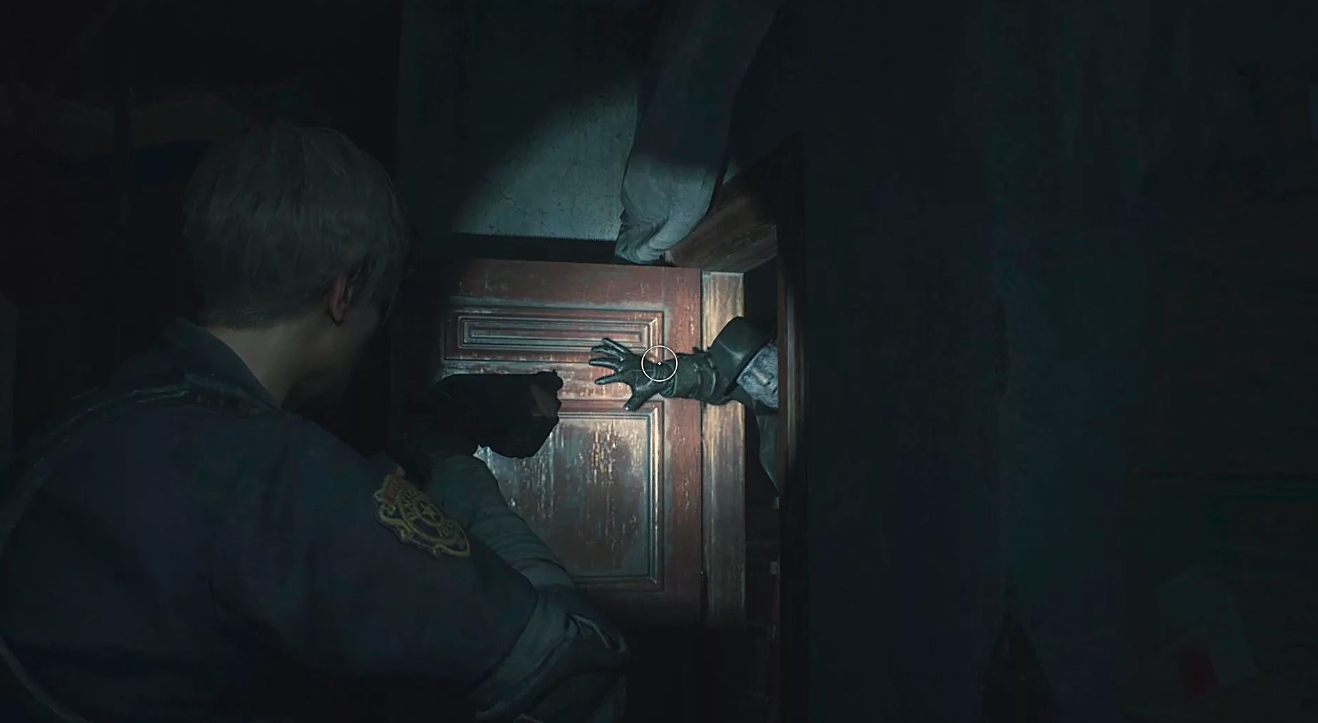
Statue puzzles are classics, but this is where they work perfectly. They're not complicated, but they make you stop and think.
The combinations are as follows:
- Lion: lion - branch - bird
- Unicorn: fish - scorpion - jug
- Virgo: woman - bow - snake
It's important not just to remember them, but to understand the principle: the game always gives clues. The only question is whether you will notice them.
Electric shields and switches
Shields are those moments where the game puts a little pressure on logic. You need to connect the lines correctly or select the desired combination.
And this is where I caught myself starting to rush - and making mistakes. Although in fact these puzzles are solved calmly if you don’t give in to tension.
The best advice is to stop, look at the diagram and not click at random. The game doesn't like it.
All Bosses in the Game - Tactics & Tips
William Birkin - All Forms and Weaknesses
Birkin is not just a boss, it is a gradual evolution of threat, Each of his forms is felt differently.
It's slow at the beginning but powerful Then it gets faster, more aggressive, less predictable. And with every new form, you realize: playing won't let you get used to it.
The general rule remains the same - aim for a weak point (eye), but remember to move. Standing still is the worst solution.
And one more thing: don't try to "fill" it with cartridges. It doesn't work. It's important to hit accurately and on time.
Mr. X - How to Survive in Pursuit
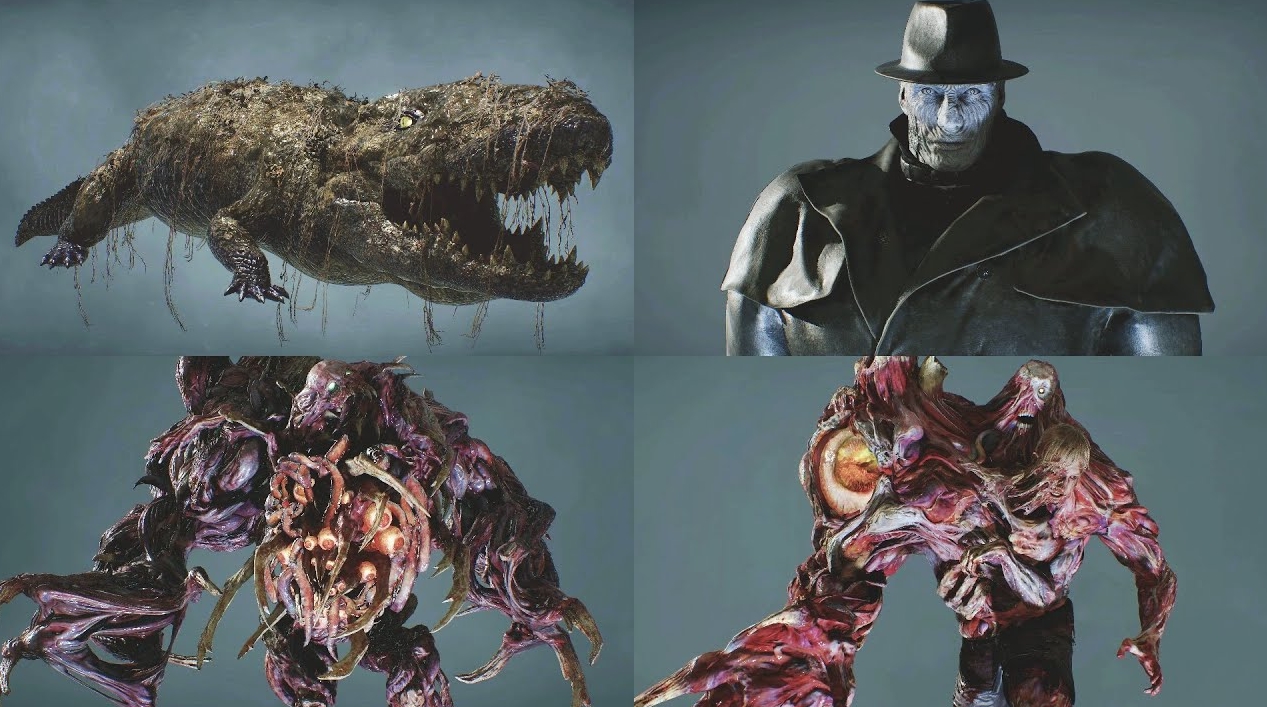
Mr. X is probably one of the game's most memorable elements, not because of the difficulty, but because of the pressure.
He doesn't let you relax. Even when he's not around, you hear footsteps - and you're already starting to get nervous.
But over time, understanding comes: he is not omnipotent.
What really helps:
- Use safe rooms as control points
- Don't run unnecessarily - noise attracts him
- Remember routes and plan your path in advance
- Not trying to "fight" him is pointless
When you begin to perceive it as part of the system, and not as chaos, it becomes easier.
Final mutations and how to defeat them
Final bosses are no longer about fear, but about verification. Checking what you learned from the entire passage.
Everything is important here: accuracy, movement, control of resources. Mistakes are said worse, but victory is felt stronger.
I noticed that it's in the final that you start playing as focused as possible. Without unnecessary movement, without panic. And this is probably the best compliment to the game.
Best Weapons and Pumping - What to Use as the Game Goes On
Where to find a shotgun, a magnum and upgrades
The weapons in Resident Evil 2 Remake are not just tools, but your confidence. When you find something powerful, you immediately feel: it has become easier to breathe.
But the game doesn't just give it away. Shotgun, magnum, upgrades - it's all hidden, requires keys, returns, sometimes risk.
And that's right. Because every find feels deserved.
The most effective combinations of weapons
Over time, you begin to understand that there is no "better" weapon - there is the right use.
For example, a gun is a base It saves resources Shotgun - for close combat and critical situations Magnum is already a "problem solution" when you need to quickly and accurately.
A good combination is not about strength, but about balance. So that you can adapt to any situation.
How not to be left without ammunition
And so we return again to the most important thing - resources.
Even with the best weapons, you can find yourself in a situation where you have almost nothing left. And that's normal - the game is built on it.
To prevent this from happening too often:
- Don't shoot unnecessarily
- Use strong weapons only in important moments
- Combine resources wisely
- Always keep an emergency reserve
And the most important thing is not to panic if there are few ammo Sometimes it's at moments like these that the game opens up best.
Tips for a comfortable passage (especially for beginners)
Inventory management and resource savings
To be honest, it is the inventory that most often breaks beginners. Not zombies, not bosses - but the moment when you open the menu and realize that you have no place for anything at all.
Resident Evil 2 Remake keeps you choosing. Take an extra cartridge or keep a turnkey slot? Carry an extra item just in case or take a chance and make room?
I carried too much with me at the beginning of the game - and constantly came up against restrictions. I had to go back, waste time, get nervous. And only later did the understanding come: inventory is a strategy, not a warehouse.
What really helps you feel calmer:
- Keep with you only what is necessary for the current task
- Use storage boxes regularly, not when it overflows
- Combine items immediately, not put them off
- Don't be afraid to leave something "for later"
When you start managing inventory consciously, the game stops pressing and starts... working with you.
When to fight and when to run away
One of the hardest things is to figure out when to engage Because the game sometimes seems to provoke: here's the enemy, here's the weapon - act.
But in reality it's the other way around.
I realized pretty quickly that the best fight was the one that was avoided Especially at the beginning Because every extra shot is a potential problem in 10 -15 minutes.
Good reference point:
- If the enemy blocks the path - perhaps it is worth stopping it
- If there is room for maneuver, it is better to bypass it
- If the situation is under control, do not rush to shoot
- If panic begins, it is better to retreat than to spend everything at once
And this is perhaps the main paradox of the game: the less you shoot, the more confident you feel.
How to quickly navigate the map
The map in Resident Evil 2 Remake is not just navigation. It's your memory, your plan and sometimes even salvation.
But at the beginning she seems overloaded. Rooms, doors, badges... easy to get confused.
A simple approach helped me: don't try to remember everything at once. Just understand the immediate goals and key points - safe rooms, drawers, short routes.
Over time, the map begins to be perceived differently. You no longer look at it as a hint - you are checking your guesses.
And this is the moment when you open the map and think, "I know where to go" is one of the most enjoyable in the game.
Secrets and additional modes after passing
How to open additional scripts
After the first pass, it seems that everything is over. But Resident Evil 2 Remake is just beginning to open up.
Scenario B opens automatically - and this is already a full sequel. But there are other things that become available later.
And this is where the game begins to reward attention and perseverance. Not just new modes, but new sensations from an already familiar world.
The 4th Survivor and Ghost Survivors modes
The 4th Survivor is a real stress test No "preparation", no gradual entry - you're just thrown into a situation where you need to survive.
And this is where it becomes clear how you understood the game Because it's no longer possible to "learn on the go"
Ghost Survivors - A little more experimental mode Alternative scenarios, new situations, sometimes even unexpected twists.
Both modes feel like a bonus, but in reality it is a full-fledged continuation of the experience. Especially if you liked the main game.
All achievements and how to get them faster
If you want to complete the game 100%, you will have to go beyond the usual completion. Some achievements require speed, others require accuracy, others require knowledge of the game down to the smallest detail.
I noticed that the best way to speed up the process is not to try to do everything at once. First, go through the game calmly, understand its rhythm. And then go for achievements.
The game encourages consistency. And the better you understand it, the faster you close even difficult goals.
Frequent mistakes by players when completing Resident Evil 2 Remake
Overrun of cartridges and resources
The most common mistake is shooting too much. It sounds banal, but that's what breaks most people's passage.
At some point, you just find yourself in a situation where you don't have the resources - and the game starts to seem unfair.
But the problem is not the game She honestly warns from the beginning: save.
And when you understand this, everything falls into place.
Ignoring saves
Another mistake is underestimating saves. Especially if you play on difficulties where they are limited.
I myself found myself in a situation several times when I passed a large piece without saving... and lost everything due to one mistake.
Saving here isn't just "just in case" It's part of strategyThe point you keep going from.
And it’s better to spend a couple of seconds recording than to then go through a tense area again.
Wrong choice of routes
Resident Evil 2 Remake is a route game. And if you go the wrong way, you can make your life very difficult.
Sometimes it seems like "no difference" - but in practice, one path can be safe and the other is a real challenge.
I often caught myself choosing a path at random And almost always it ended in unnecessary problems.
Over time, an understanding comes: it is better to spend a little time planning than to then spend resources correcting errors.
And here, after the entire passage, the main thing becomes clear.
Resident Evil 2 Remake is not just a zombie game, it's a solution game.
About how you react to pressure, how you manage resources, how you learn from your mistakes. And that's why it stays in your head even after the credits.