

Cold weather - perfect for fun experimentation - There's so much to learn about the properties of snow or ice on winter days, the key is to stock up on a good mood and enjoy your time.

Contents
Simple winter experiments on a walk
First-graders and older kids are a little harder to surprise with something unusual. But still, perhaps, especially if you have a real winter adventure on the way home from school or just on a walk.
Snowflakes are like stars

Each snowflake is unique and this small experiment will require a dark sheet of cardboard, a magnifying glass and, if necessary, a phone camera to capture the result of the experiment. Now you need to try “ to catch a few snowflakes and take a good look at them. And by capturing the result using a phone camera, you can use it for further creative hobbies (for example, making a similar garland of snowflakes).
Air or water
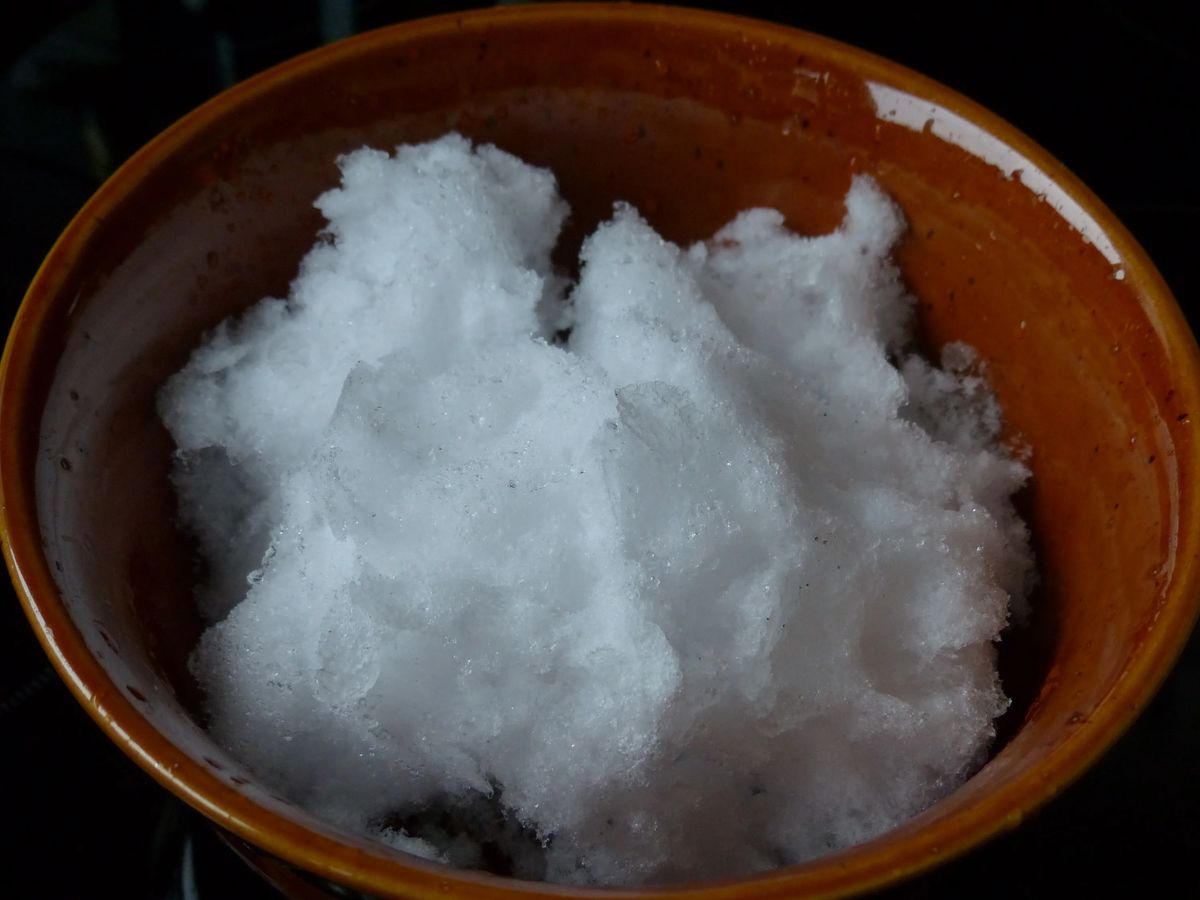
After a walk, you can bring some snow with you to find out how much water will come from a certain amount and whether it corresponds to the volume of material collected. The purpose of such a creative experiment is to prove that snow mainly consists of air, not just water. To do this, you need to put snow in a glass and make approximate marks of how much water you count. As a result, experience will prove that snow, after air has evaporated from it and it has become water, does not take up as much space in the container as it used to be. You can also read how to captivate children educational games and experiments with water.
How to turn boiling water into snowflakes
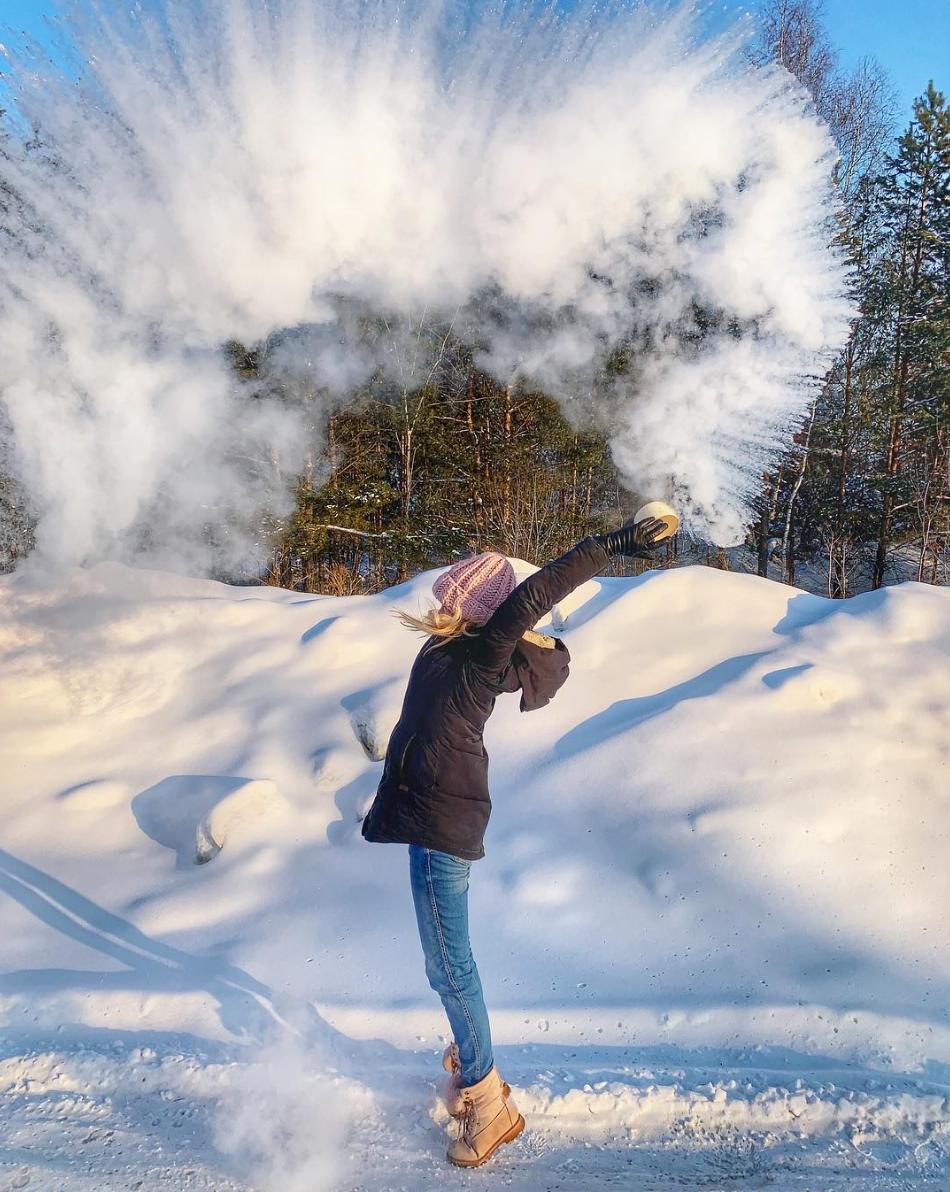
In the previous experiment, there was a snow-to-water conversion, or can it be done the other way around? Easy. For this experience, just take some hot water with you for a walk in low temperature (with excellent frost). And throw it up as soon as you are outside. The water will instantly freeze and not even a drop of hot liquid will reach the ground.
Let's add creativity - ice transformations
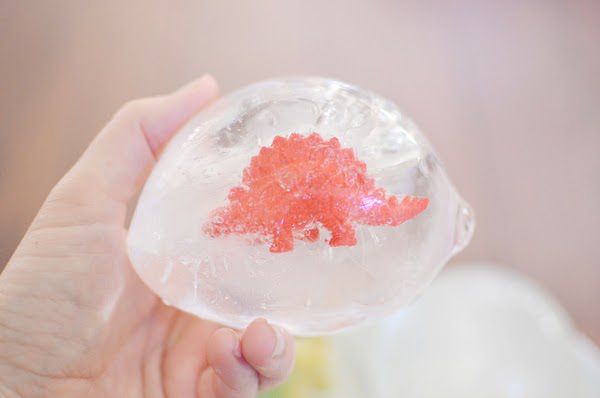
Ice is the perfect material to learn and create different crafts on a walk, just show a bit of creativity and real miracles will begin to happen.
Soap bubble tricks
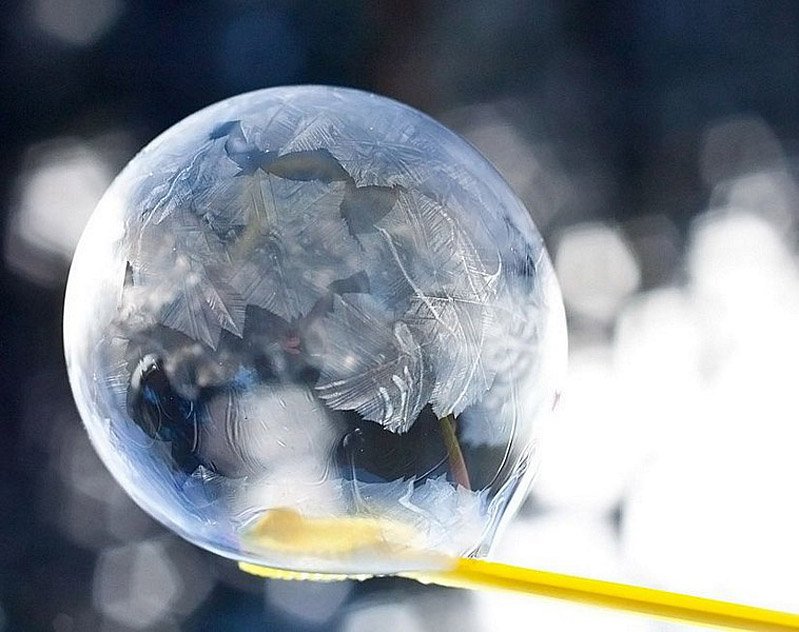
Best to do this experience at minus 7 to minus 10 degrees, this is the perfect temperature to allow real magic to happen, taking soap bubbles and inflating them, trying to do it as carefully as possible (and dry, windless weather is best).The soap bubble will begin to quickly become covered with a crust of ice, drawing funny patterns on the surface.
The magic of ice and salt
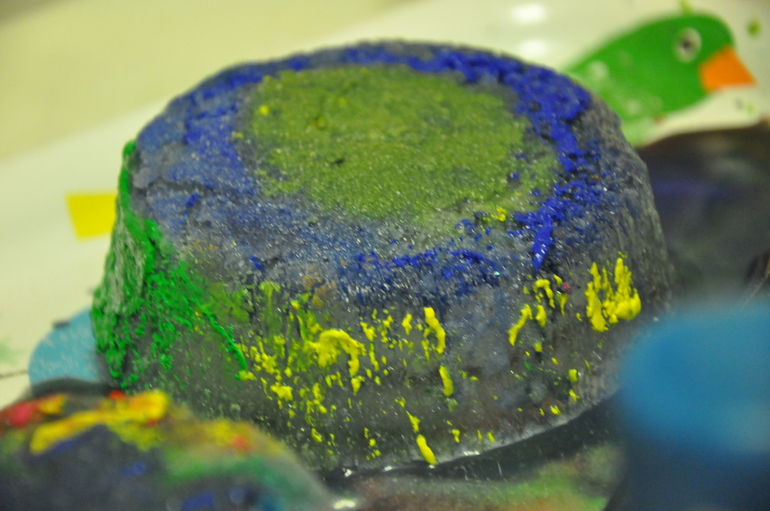
By freezing a piece of ice at home in advance, you can easily conduct a small experiment with salt (at home or outside). To do this, you need to sprinkle the ice with salt and watch how small hollows, tunnels and holes gradually appear. And if you take the paints, it is quite possible to see the result of contact between salt and ice.
Ice according to the recipe

An amazing substance like ice can be made yourself This will require: four tablespoons of regular soda, some water and a few drops of liquid soap (you should get a paste).Ice requires molds, and for the finished ice floes to be of different colors, you can use any food coloring. Once the ice floes are frozen in the freezer, they can be “activated”. To do this, add a little citric acid to the water and lower each ice floe there. And we watch a real ice show.
Ice miracles
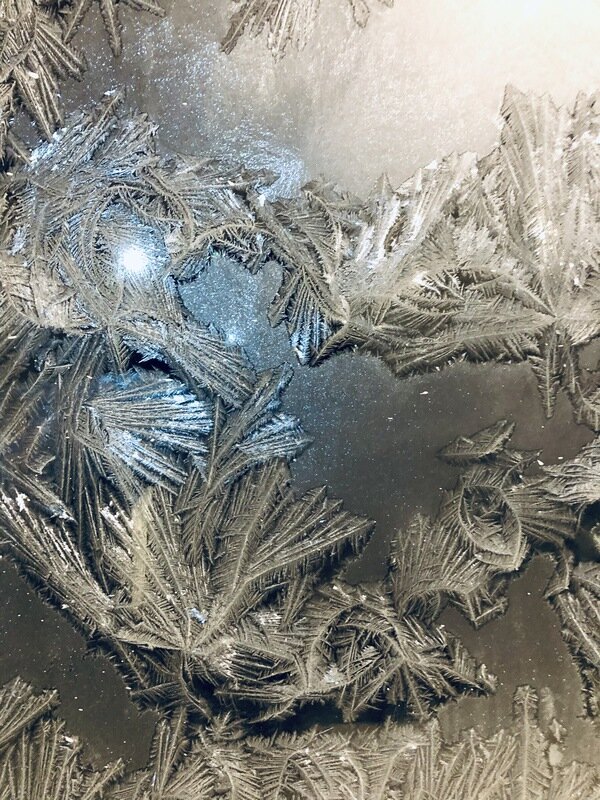
You can make almost real ice at home at normal temperatures. For the experiment, you will need several items: a stand, a metal cup, salt and a spoon. You need to pour water under the cup, and put a piece of ice or snow in the cup itself, covering it with salt. Snow or ice will begin to melt quickly, causing a crust of ice to form under the cup and it will easily freeze to the stand.
Artificial fun - making snow at home
Artificial snow is great for playing at home. And to make snow like this, you can use three proven recipes.
Recipe one (simplest)
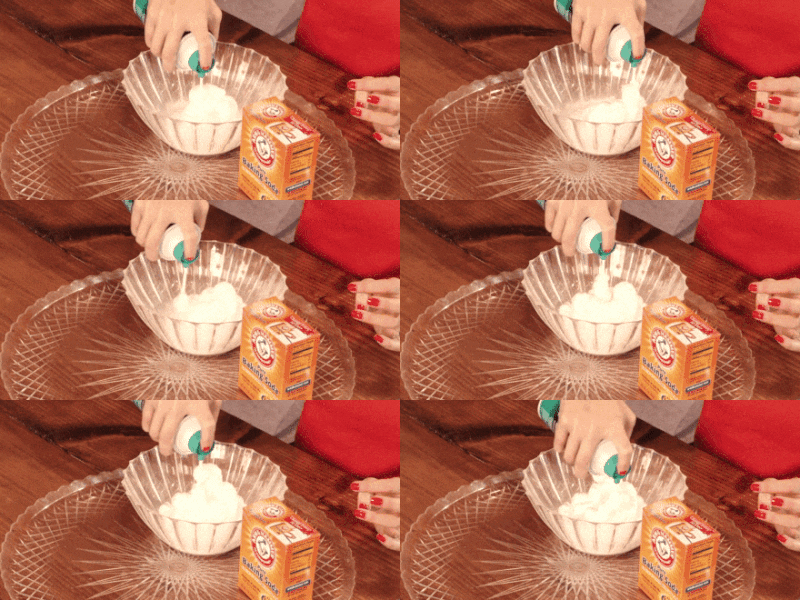
Shaving foam and starch need to be mixed This will create a white mass that will hold its shape well and be perfect for making a small snowman or making snowballs.
Recipe two
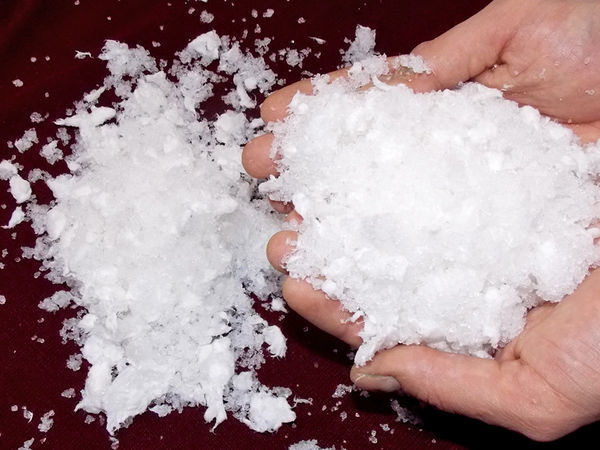
For this recipe, you need to mix a glass of soda and starch with water and three spoons of liquid soap. The resulting mass will be loose enough, but also wet, to play or build something unusual at home.
Recipe three
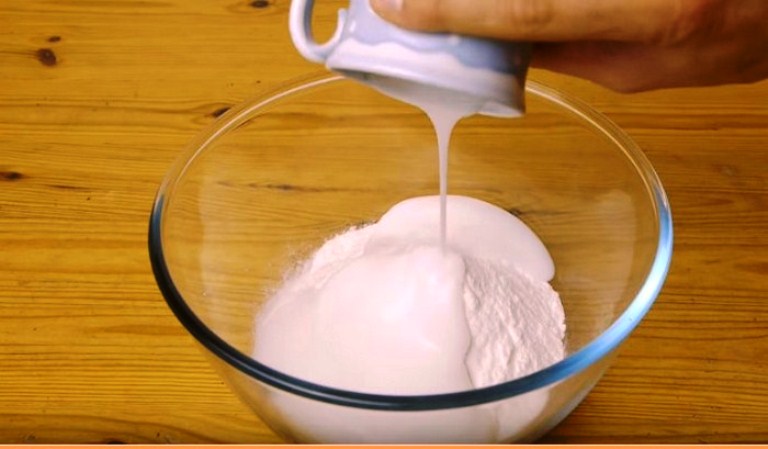
If you need to make snow almost like real snow, then you can use this recipe. To do this, you need to mix 1/5 cup baking soda and 1⁄4 part of hair conditioner (regular, white).The two components need to be mixed gradually, thoroughly grinded and crushed with your hands. The result should be viscous artificial snow that is perfect for playing snowballs.
Winter experiments are great for advent calendar tasks or as your own entertainment at home or on a walk. Experiment, play, develop together!